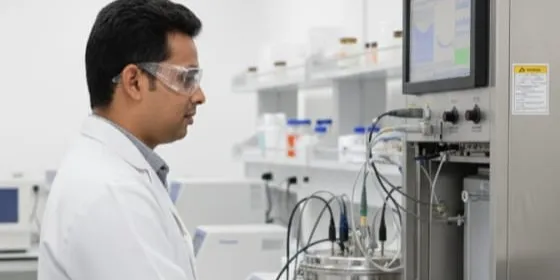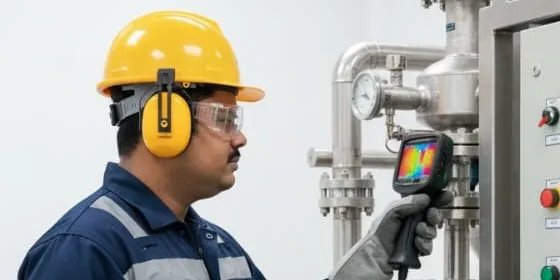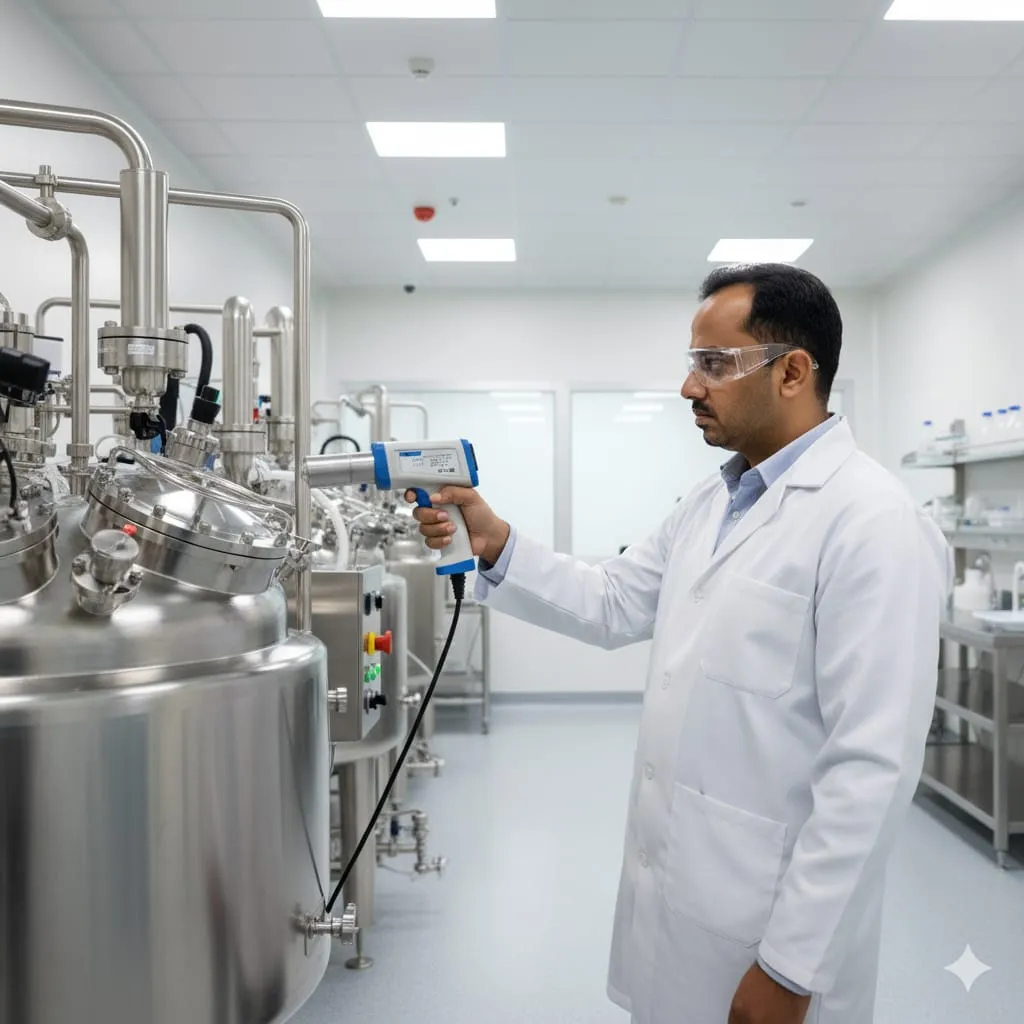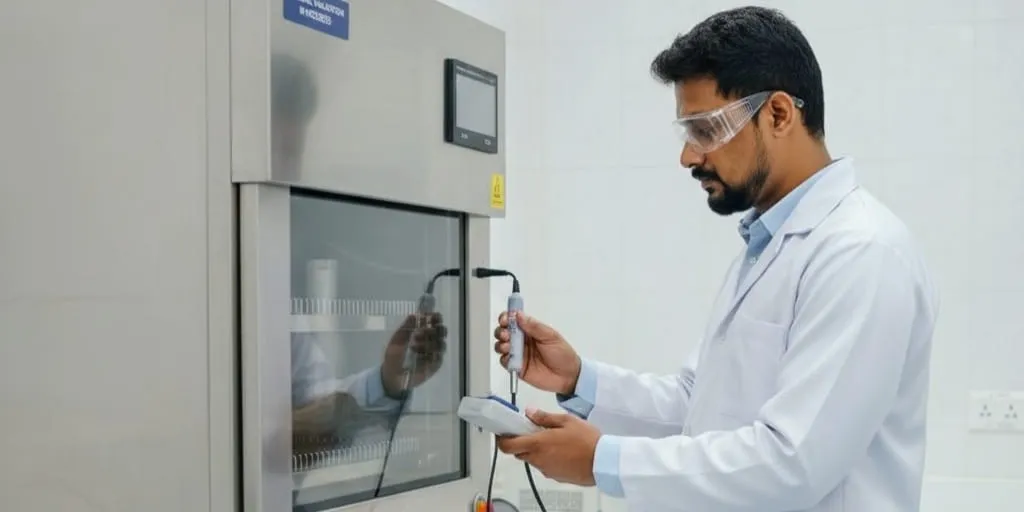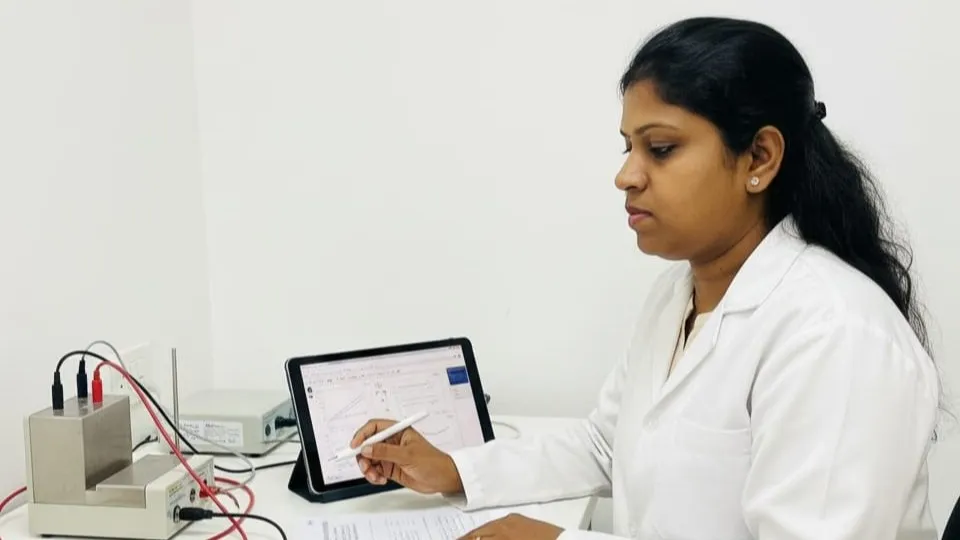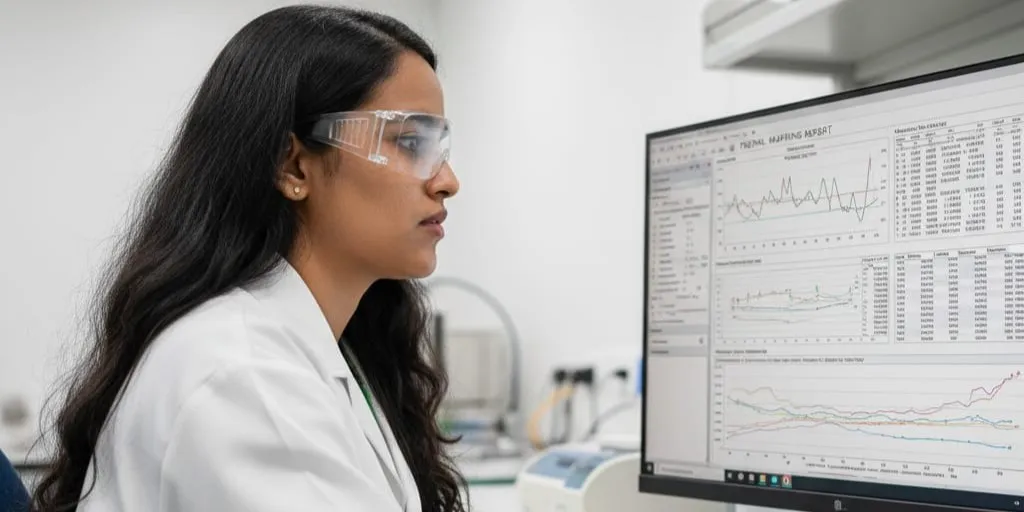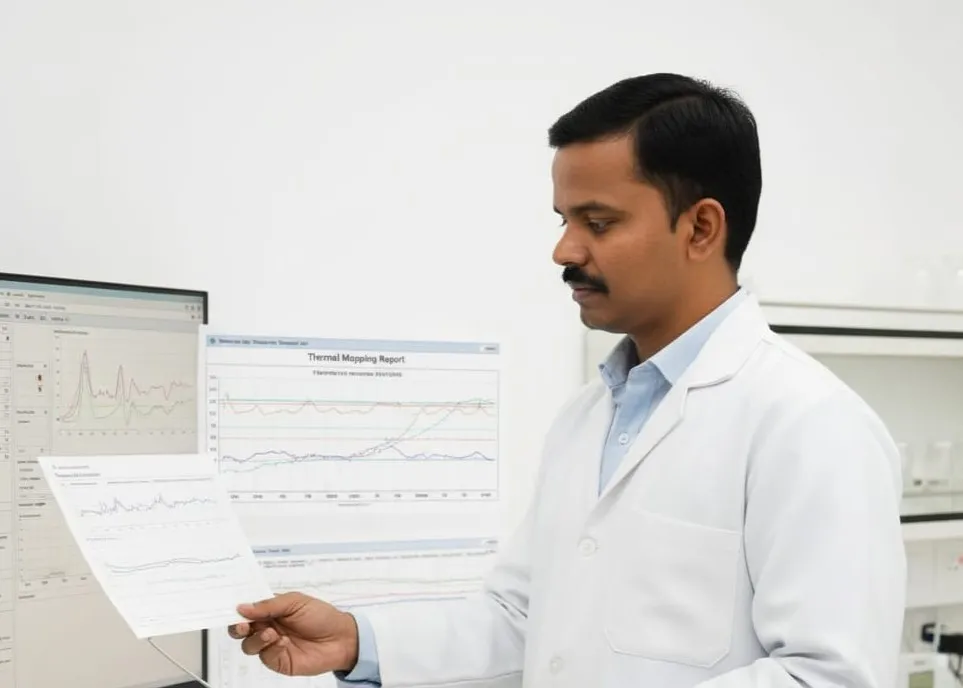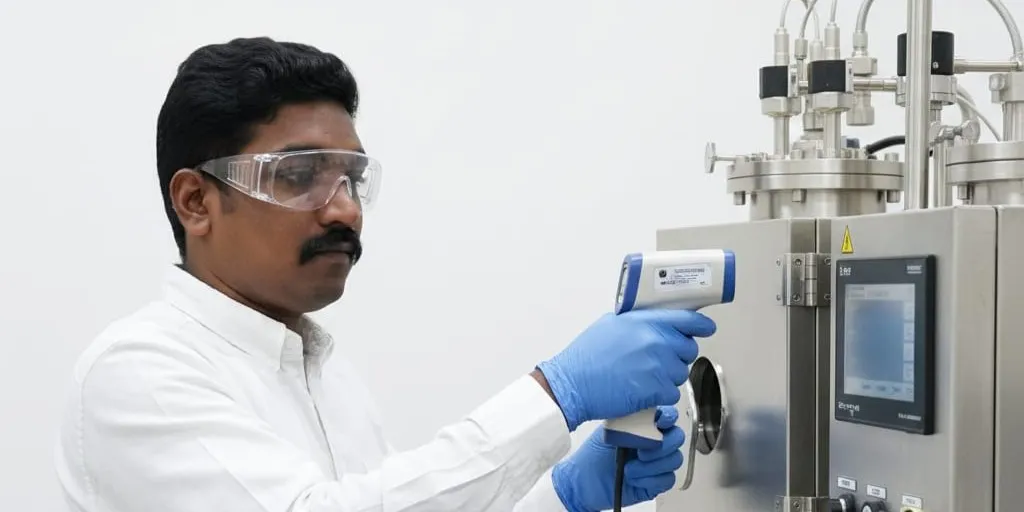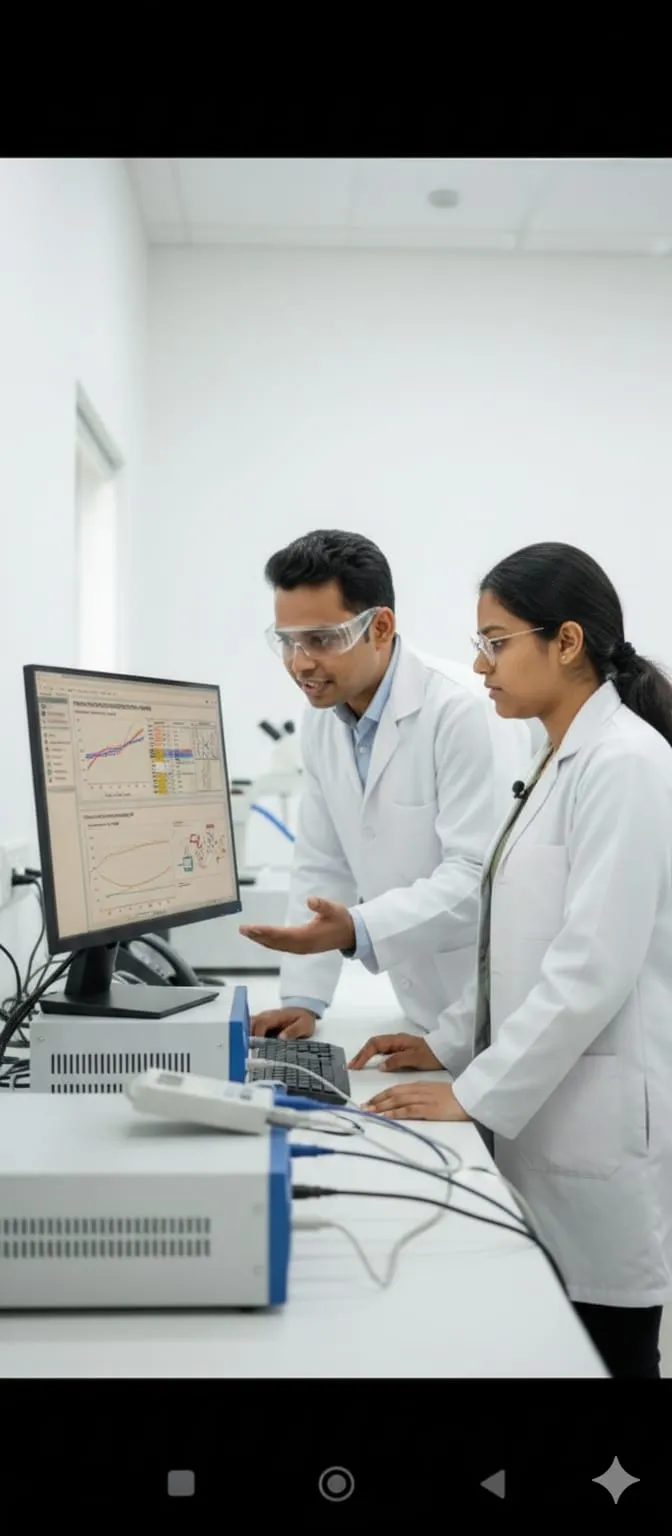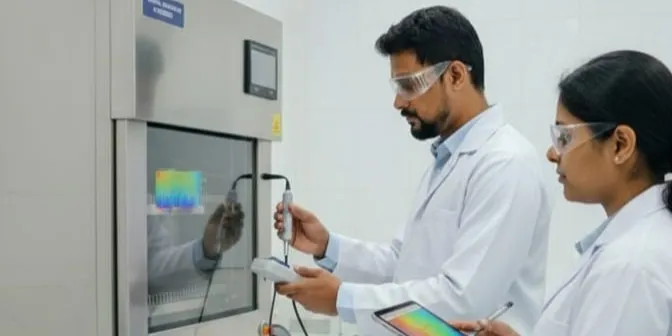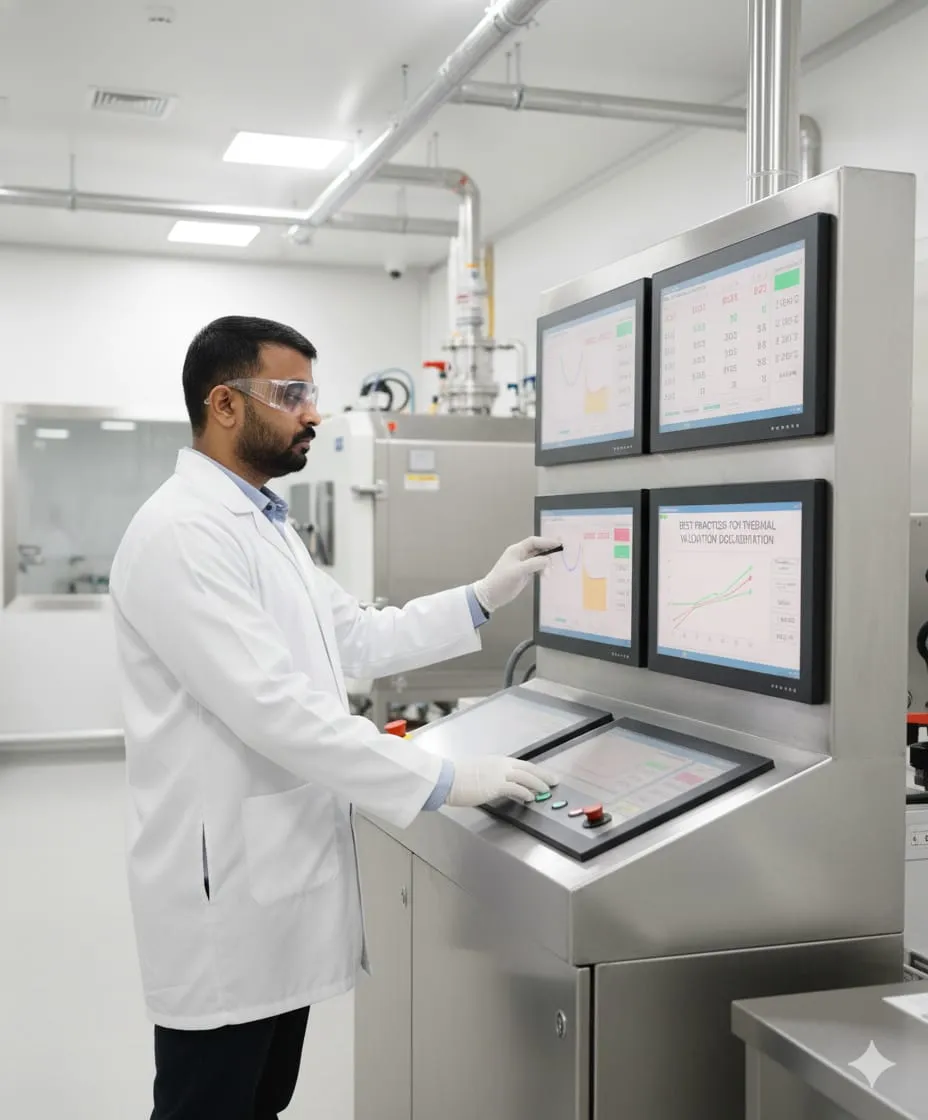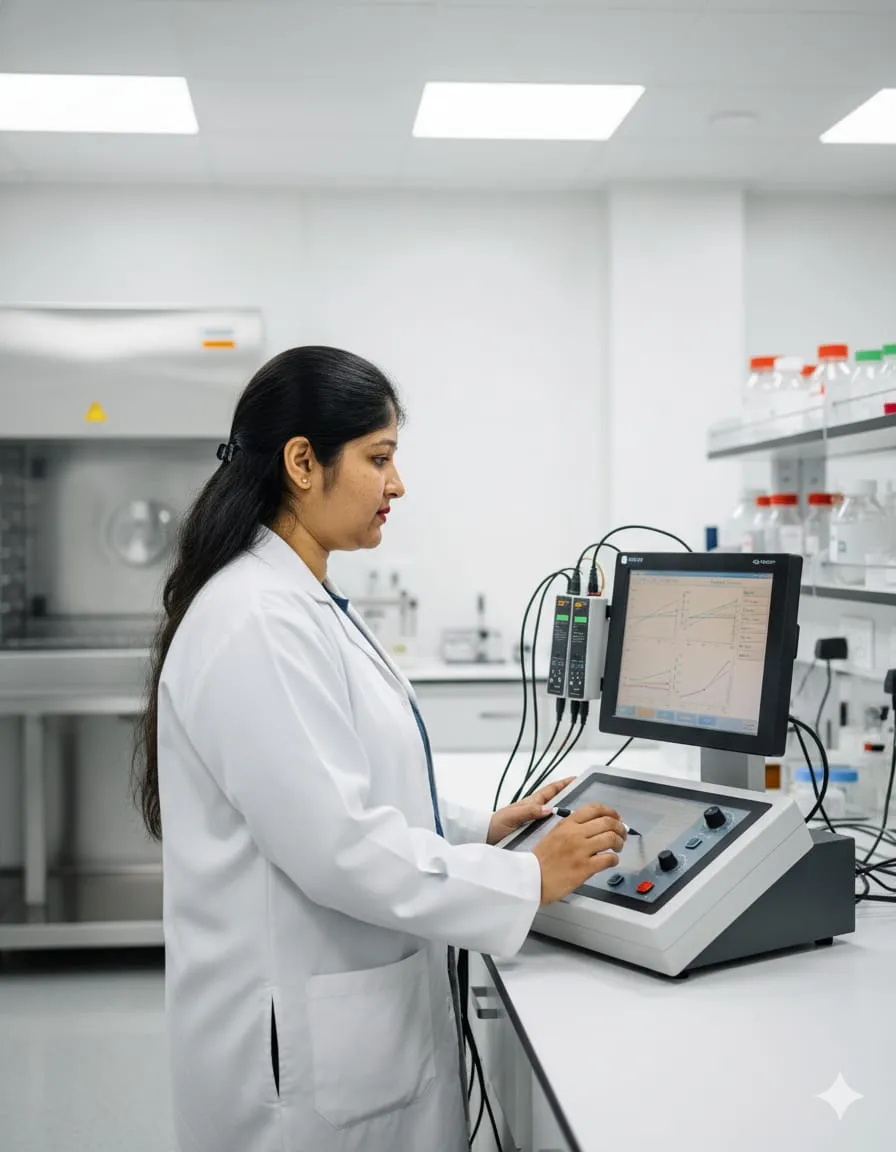

Valbio Advanced Microbial Monitoring Capabilities
Fully aligned with GAMP® 5, 21 CFR Part 11, EU GMP, and FDA regulations to ensure audit-ready compliance.
Air Monitoring
Active Air Monitoring (Viable Microbial) and Passive Air Monitoring (Settle Plate).
Surface & Personnel
Environmental Monitoring utilizing Contact Plates & Swab Testing for Cleanroom Microbial Assessment.
Trend Analysis & Reports
Microbial Data Trending, Monitoring Maps, Alert / Action Limit Evaluation, and CAPA Support.
Maintaining cleanroom hygiene is a cornerstone of quality — assurance in the pharma industry. Cleanrooms are critical — environments where stringent contamination controls ensure — product integrity and patient safety. During the Commissioning, Qualification, and Validation (CQV) process — monitoring cleanroom hygiene becomes even more vital to meet — regulatory standards and operational excellence.
This blog explores five key metrics that provide actionable — insights into cleanroom hygiene during CQV processes. These — metrics help organizations achieve compliance with cGMP guidelines, reduce contamination risks, and optimize — cleanroom performance.
1. Airborne Particulate Levels (NVPC)
Why It Matters: Cleanroom classifications, as defined — by ISO 14644 and other standards, are based on allowable — airborne particulate levels. During CQV, measuring — particulate concentrations ensures the cleanroom's air — handling systems are functioning as designed and maintaining — the required cleanliness levels. This is critical for — ensuring product safety and maintaining compliance with — regulatory standards.
How to Measure:
-
Use particle counters:
Measure airborne particles in critical zones to — assess air quality.
-
Conduct testing in different states:
Test during both at-rest and operational states to — validate system performance under varying — conditions.
-
Benchmark against standards:
Compare results against ISO class requirements or — other applicable standards to ensure compliance.
Recommended Action:
If particulate levels exceed limits, take immediate action — by:
- Investigating potential issues with air filtration — systems.
- Evaluating HVAC system performance and filter integrity.
- Reviewing personnel practices and movement patterns — within the cleanroom to identify contamination sources.
2. Microbial Contamination Levels (VPC)
Why It Matters: Microbial contamination poses a — significant risk to sterile manufacturing processes. Monitoring microbial levels ensures that aseptic conditions — are maintained throughout CQV, safeguarding both products — and patient safety. High microbial loads can compromise — product efficacy and lead to costly recalls.
Read More: 10 Burning Questions on CQV
How to Measure:
-
Active air sampling:
Use impaction devices to collect air samples and — measure microbial load in real-time.
-
Settle plate testing:
Place settle plates in various locations to monitor — microbial fallout over extended periods.
-
Surface sampling:
Collect swabs and contact plate samples from — critical equipment and surfaces to identify — contamination hotspots.
Recommended Action:
If microbial counts exceed acceptable levels:
- Reassess cleaning protocols and frequency.
- Review and improve personnel gowning procedures.
- Evaluate the effectiveness of air filtration systems and — make necessary upgrades.
3. Contact Plate Surface Cleanliness
Why It Matters: Surface contamination can act as a — vector for both particulate and microbial contamination. Ensuring that all surfaces meet cleanliness standards during CQV validates the efficacy of cleaning protocols and — minimizes the risk of cross-contamination.
How to Measure:
-
ATP bioluminescence testing:
Use ATP testing to detect organic residues on — surfaces, providing real-time feedback on — cleanliness.
-
Chemical residue testing:
Ensure that residues from cleaning agents are fully — removed to prevent adverse reactions with products.
-
Periodic swabbing:
Analyze swabs taken from high-touch areas to — identify recurring contamination issues.
Recommended Action:
If residues or contaminants are detected:
- Revise cleaning procedures to target identified — hotspots.
- Evaluate the performance and suitability of cleaning — agents.
- Train personnel on improved cleaning techniques and — protocols.
4. Differential Pressure Monitoring
Why It Matters: Maintaining proper differential — pressure between cleanroom zones is essential to preventing — cross-contamination. Pressure imbalances can compromise — cleanroom integrity and allow contaminants to infiltrate — critical areas.
How to Measure:
-
Calibrated pressure gauges:
Use high-precision sensors to monitor pressure — differentials across cleanroom boundaries.
-
Routine operational checks:
Conduct pressure checks during operational — simulations to ensure consistency.
-
Baseline documentation:
Record pressure readings regularly to establish a — performance baseline and detect anomalies.
Recommended Action:
If pressure imbalances are identified:
- Adjust HVAC systems, including airlocks and filters, to — restore proper pressure cascades.
- Investigate potential leaks or obstructions in the — airflow.
- Conduct further testing to confirm stability after — adjustments.
Read More: CQV: 6 Crucial Truths Every Pharma Professional Should Know
5. Personnel Hygiene Compliance
Why It Matters: Personnel are a primary source of — contamination in cleanrooms. Monitoring hygiene compliance — during CQV ensures that gowning procedures, hand hygiene — practices, and movement protocols are consistently followed — minimizing contamination risks.
How to Measure:
-
Microbial sampling:
Test gloves and gown surfaces post-gowning to ensure — proper hygiene.
-
Visual and automated inspections:
Monitor adherence to proper gowning sequences using — manual or automated systems.
-
Training evaluations:
Conduct regular training sessions and assessments on — hygiene protocols.
Recommended Action:
If non-compliance is observed:
- Implement retraining programs to address knowledge gaps.
- Refine gowning protocols to improve adherence and ease — of compliance.
- Enhance facility design to eliminate obstacles to proper — hygiene practices, such as improving gowning areas or — adding visual reminders.
How Incepbio Can Help with Your CQV Needs
At Incepbio, we specialize in providing comprehensive — solutions to meet your CQV requirements. Our team of experts — understands the critical role that cleanroom hygiene plays — in ensuring regulatory compliance and operational — excellence. Here's how we can assist:
-
Customized CQV Strategies:
We tailor our CQV plans to align with your — facility's unique needs and industry standards — ensuring a seamless validation process.
-
Expert Guidance:
Our experienced professionals bring in-depth — knowledge of cGMP guidelines, ISO standards, and the — latest industry practices to ensure your cleanroom — operations are validated to the highest standards.
-
State-of-the-Art Testing:
We utilize advanced technologies for monitoring — airborne particulate levels, microbial — contamination, surface cleanliness, and more to — provide accurate and reliable results.
-
Personnel Training:
We offer comprehensive training programs to ensure — your team is well-versed in cleanroom protocols — hygiene compliance, and best practices for — contamination control.
-
Continuous Support:
From initial commissioning to ongoing validation — our support services ensure your cleanroom maintains — optimal performance throughout its lifecycle.
Partnering with Incepbio means gaining a trusted ally — dedicated to the success of your cleanroom operations. Let — us help you achieve and maintain the highest standards of CQV compliance.
Investing in robust monitoring and adherence to these — metrics during CQV will pave the way for long-term — operational excellence and product integrity.
Read More: Understanding the Hidden Dangers of CQV
Conclusion
The CQV process is a pivotal phase in ensuring cleanroom — operations meet the highest standards of hygiene and — compliance. By closely monitoring these five key metrics — airborne particulate levels, microbial contamination — surface cleanliness, differential pressure, and personnel — hygiene compliance organizations can validate cleanroom — performance effectively.
Each metric provides unique insights into potential — contamination risks and areas for improvement. Leveraging — these insights ensures that cleanroom environments not only — meet regulatory standards but also support efficient and — safe production processes.
Investing in robust monitoring and adherence to these — metrics during CQV will pave the way for long-term — operational excellence and product integrity.
Latest Blog Posts
News & Articles